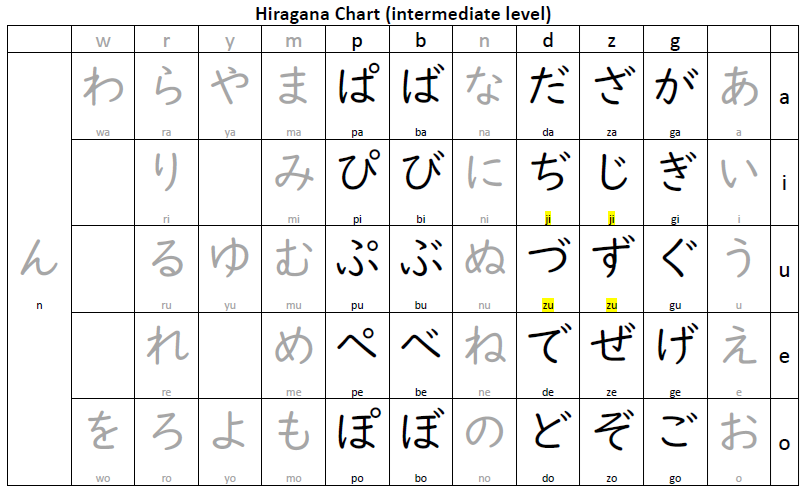
1) Hiragana chart
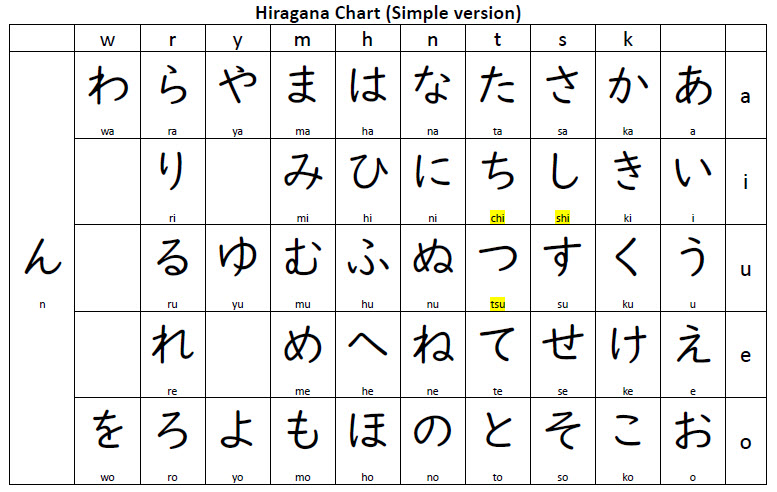
Columns
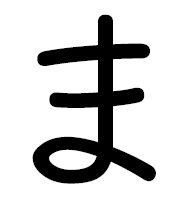
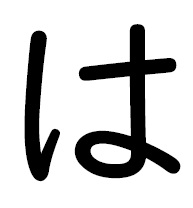
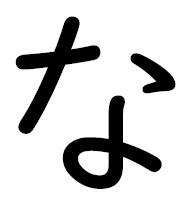
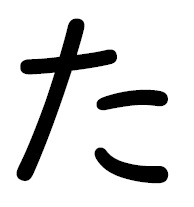
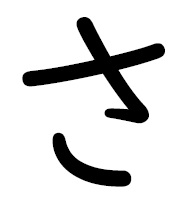
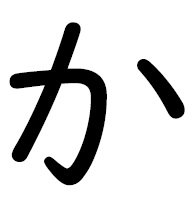
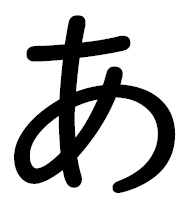
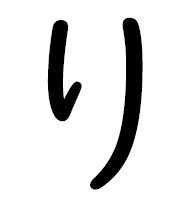
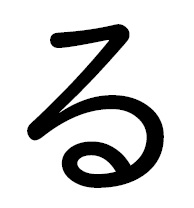
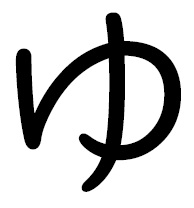
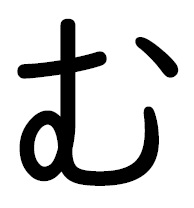
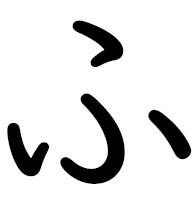
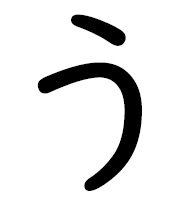
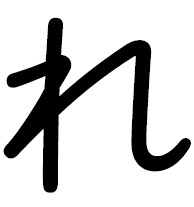
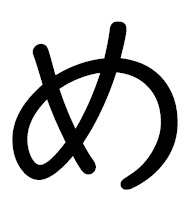
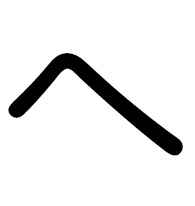
Find 'あ,い,う,え,お'. Let's call it a 'column'. As the first letter of the column is あ, the column is called あ-column. あ-column is the first column. The second column is か-column. The following column is さ-column. Then, た-column, な-column, は-column, ま-column, や-column, ら-column. The last column is わ-column. ん does not form a column; it is on its own.
Rows
Find 'あ,か,さ,た,な,は,ま,や,ら,わ' (we go across from right to left). Let's call it a 'row'. It is あ-row. Similarly, the second from the top row is い-row, the third row is う-row, the fourth is え-row, and the bottom row is お-row.
How the chart is made
If I explain it very simply, each column shares the same consonant (except the あ-column), and each row shares the same vowel. ん is on its own.
More details: あ-column (あ,い.う,え,お) is made of vowels. These five vowels are the foundation of Japanese sounds. Each row shares the same vowel. For example, あ-row (あ,か,さ,た,な,は,ま,や,ら,わ) shares the same vowel 'a'. Except for あ,い,う,え,お and ん, the combination of a consonant and a vowel forms the sound of the letter. For example, か is the combination of a consonant 'k' and a vowel 'a', which is 'ka'.
The five vowels
あ
い
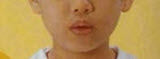
う

え

お
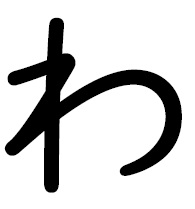
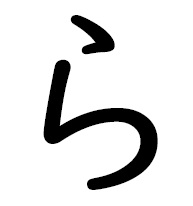
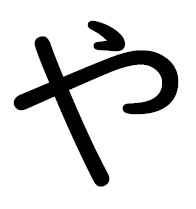
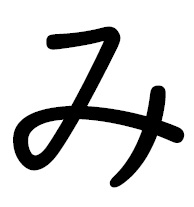
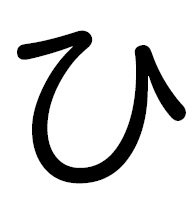
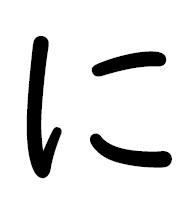
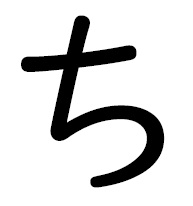
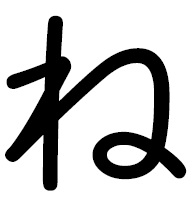
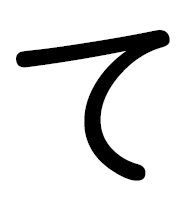
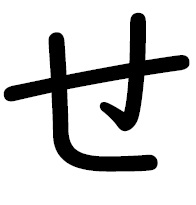
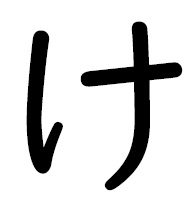
Hiragana chart with sounds (please click on each Hiragana image for sound. I have added all sounds. I will fix inperfection of the table. It is nearly there!)
 |
 |
 |
 |
 |
 |
 |
 |
 |
 |
|
 |
 |
 |
 |
 |
 |
 |
 |
|||
 |
 |
 |
 |
 |
 |
 |
 |
 |
 |
|
 |
 |
 |
 |
 |
 |
 |
 |
|||
 |
 |
 |
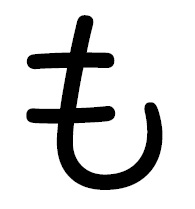 |
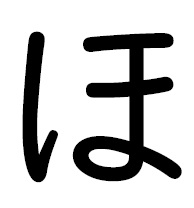 |
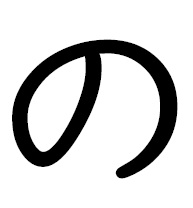 |
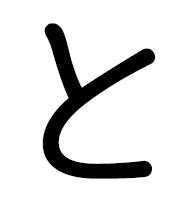 |
 |
 |
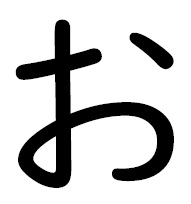 |
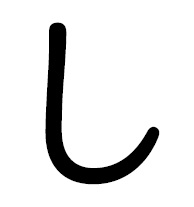
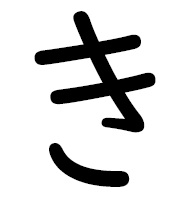
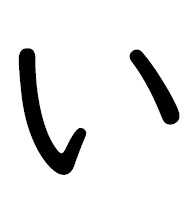
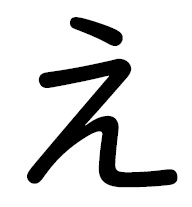
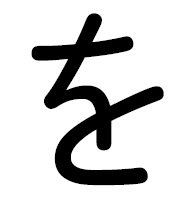
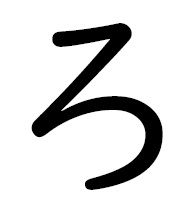
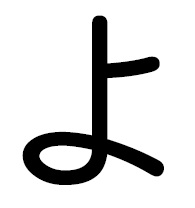
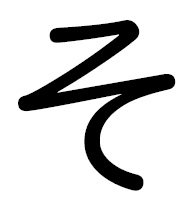
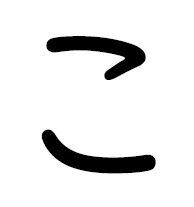
If you click on letters in a row, you can see that letters in the same row share the same vowel. Similarly, if yoy click on letters in a column, you can see that letters in the same column share the same consonant, except in the あ column and ん.
Some extra knowledge about the Hiragana chart
a) The Hiragana chart was created by a Buddhist monk, Myoukaku/Myougaku, who studied Sanskrit. He borrowed the chart order and allocated Hiragana to the appropriate places. I am sure some of you study Sanskrit in the UK. Does it make sense?
b) There are some empty spaces in や-column and わ-column. So, what happened to 'yi, ye' and 'wi, wu, we'? The Japanese used wi=ゐ and we=ゑ before the Second World War, but they stopped using them when they modernised their spelling system. With 'yi, ye, wu', I have not seen letters for them. I used to teach classical Japanese to Japanese sixth form students, just like your Latin teachers.
2) Hiragana rap
There was an excellent Japanese textbook series, 'Kimono'. In the textbook, there was a rap called Hiragana rap. I loved the song and used it for all of my students. I have found it on YouTube!
3) Hiragana practice sheet
Authentic Japanese writing sytem is from top to bottom. The first line is on the right-hand side, then the following line comes on the left. When Japanese children learn Japanese letters at pirmary schools, the letters are always from top to bottom. The core nature of the Japanese writing system is vertical, whereas the English writing system is horizontal. It is a significant cultural difference. It is so unique, isn't it?
How to use the sheet
Print it out on a double-sided A4 card and laminate it. The first half of the chart is on one side, and the second half is on the other side. For reading practice, you can use the sheet for your reference. For writing practice, you can use a whiteboard marker to trace printed letters, and erase them with a soft tissue paper.
The sheet covers the basic 46 letters. The dotted line between strokes suggests how your pen should move in the air.
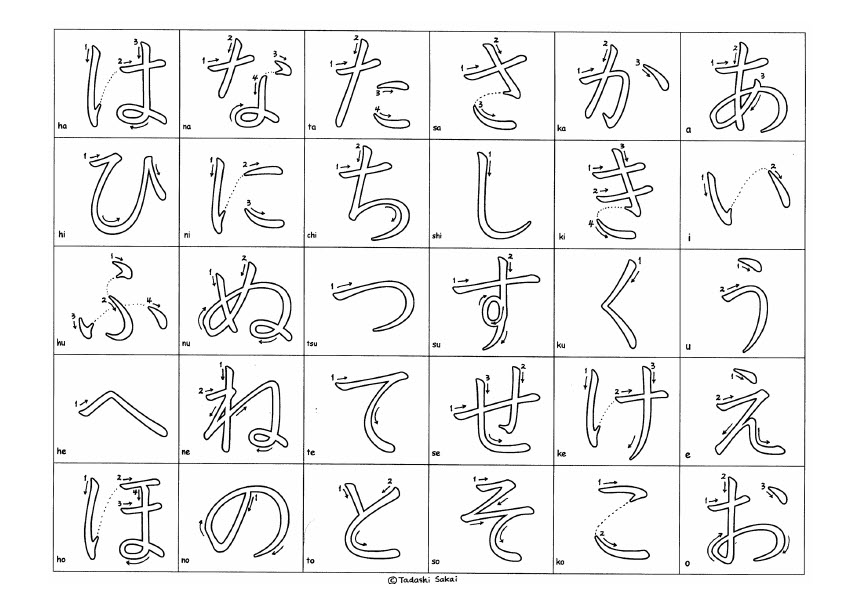
Click on the image. The file should open. Save it in your computer or in your online drive.
4) Hiragana mini cards
Do not start chopping up the Hiragana practice sheet! I have mini cards for you to begin memorising Hiragana. Physical cards are still powerful learning tools. You can grab five or ten cards for the day and practise when you have a brief free time. You will feel you remembered some of the cards, then set them aside and keep on practising the remaining cards. When you are OK with the remaining cards, put them together and revise.
How to make cards
a) Print out on A4 cards
b) You may not know which side is up once they are cut into individual cards. So, draw a line either on the top side or the bottom side of the squares with a highlighter pen (not yellow, as it disappears easily)
c) If you want the cards to last longer, laminate the cards before cutting. Some of my students colour-coded the cards, such as 'a, i, u, e, o' in green and 'ka, ki, ku, ke, ko' in orange, etc, then laminated the cards and cut.
How to memorise
I skip all explanations from learning psychology. Here is the essence of effective memorisation.
a) Frequency is more important than length. Five minutes six times is more effective than thirty minutes once.
b) There is a limit to the number of things the human brain can remember in one day. Do not exceed ten cards a day. I teach 10 + 10 + 10 + 8 + 8. In five days, you will be able to read all the basic Hiragana. If that is too fast spend five weeks.
c) When you add new ten cards, remember to revise the previous cards. Persistent revision is the key to stabilising your memory.
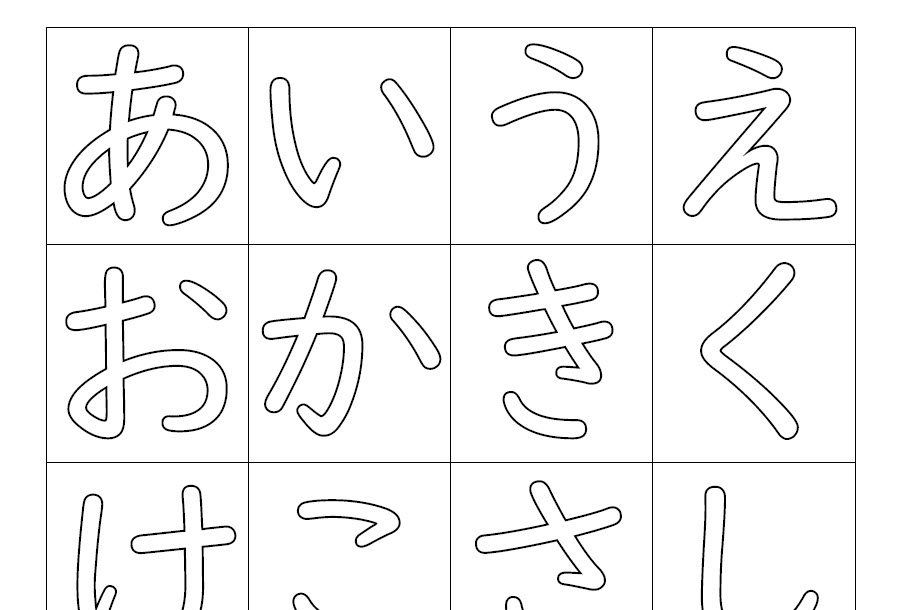
Click on the image. The file should open. Save it in your computer or in your online drive.
5) Practices
Quizlet
Hiragana basic - part 1 (A-Ko)
Hiragana basic - part 2 (Sa-To)
Hiragana basic - part 3 (Na-Ho)
Hiragana basic - part 4 (Ma-Yo)
Hiragana basic - part 5 (Ra-N)
Hiragana basic - first half (A-Ho)
Hiragana basic - second half (Ma-N)
Hiragana basic - all (A-N)
Hiragana - confusing ones
Wordwall


6) Hiragana intermediate level